






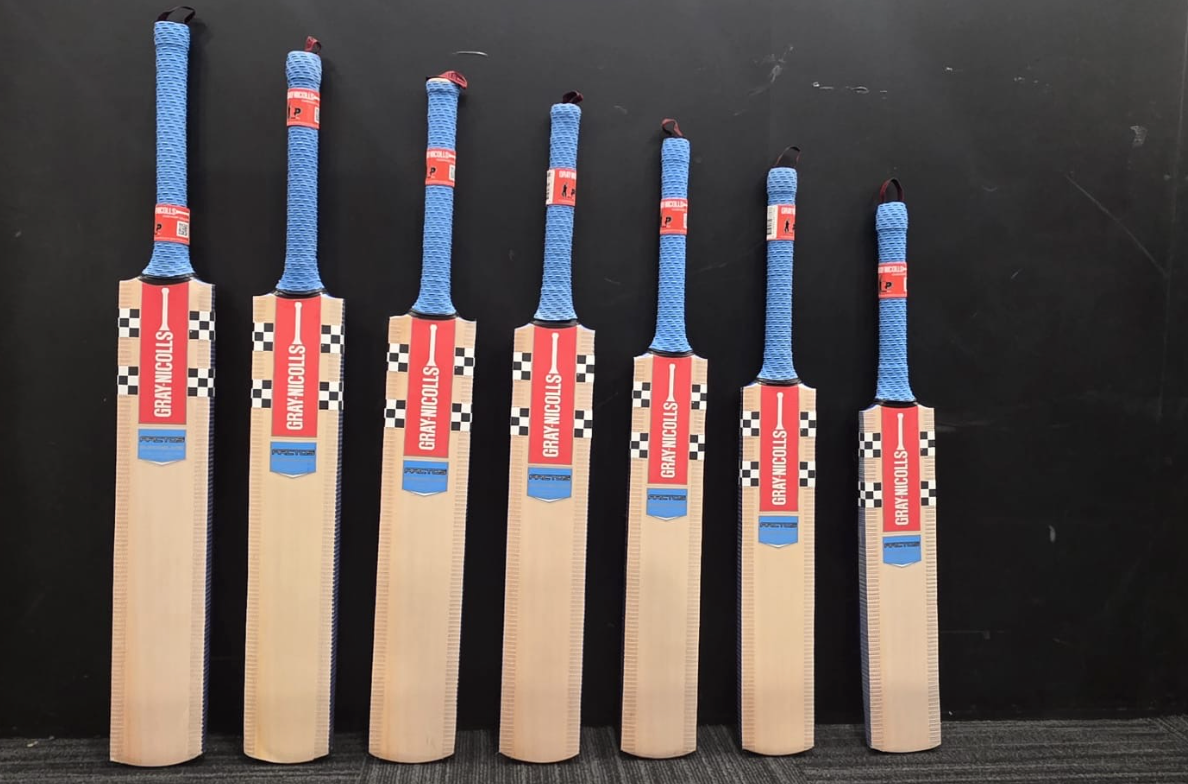

How to Choose a Cricket Bat for Your Child
Choosing a cricket bat for your child depends on age, height, and skill level. The right size helps improve technique, builds confidence, and reduces the risk of injury while learning the game.
Quick Answer: Which Cricket Bat Should You Buy Your Child?
Choosing the correct cricket bat for your child comes down to matching their age, height and strength to the right bat length and weight. Correctly sized bats reduce injury risk and improve technique development in young players by allowing better control, balance and shot execution.
|
Size |
Player Height (CM) |
Approximate Age |
|
122-129 |
1-2 |
|
|
129-137 |
3-4 |
|
|
137-144 |
5-6 |
|
|
144-150 |
7-8 |
|
|
150-157 |
9-10 |
|
|
157-163 |
11-12 |
|
|
163-168 |
13-14 |
|
|
168-175 |
15-16 |

Cricket Bat Sizing by Age and Height – Essential Guide
Choosing the correct cricket bat size is a very important decision for junior player development. An undersized bat can reduce reach, timing, and power, while an oversized bat often causes fatigue, poor swing mechanics, and bad technique habits.
Correct sizing creates the right balance between safety, control, confidence, and long term skill development.
Primary School (Years 3–6)
Primary school players typically use between sizes 4 to 5 and approximately 300-550g depending on height and strength.
At this stage, lightweight bats are critical for:
- Developing clean batting technique
- Improving swing speed
- Building confidence against faster bowling
- Transitioning from soft ball to hard ball cricket
Most younger players benefit from lighter pickup rather than heavier bats with larger edges. Kashmir willow bats are often ideal during these early development years because they are durable, affordable, and easier to manage.
Secondary School (Years 7–9)
Secondary school cricketers generally move into bats between harrow to small adult and generally between 2lbs 4 oz to 2lbs 8oz.
This stage is usually when players:
- Begin facing harder and faster bowling
- Develop more advanced shot selection
- Start representative or competitive club cricket
- Experience rapid physical growth
Bat control remains more important than bat weight. Players growing quickly may need to adjust sizes more frequently to maintain proper balance and technique. Harrow and Small Adult sizes are common during this transition phase.
Senior Secondary (Years 10–12)
Senior secondary players typically use bats between Small Adult and standard SH or LB. These bats typically weigh 2lb 8 to 2lb 10 but can be found as light as 2lbs 6oz. These bats can also go over 3lbs.
At this level:
- Strength and bat speed become more developed
- Players often specialise in formats or batting styles
Safety First – Why Correct Sizing Matters
Choosing the correct cricket bat size is not just about performance. It also plays a major role in injury prevention, physical development, and building confidence in young players. Properly weighted bats help prevent repetitive strain injuries while encouraging correct batting mechanics, allowing children to develop safer and more effective technique over time.
Oversized bats can encourage poor habits such as excessive bottom hand use, dropping the back shoulder, or swinging across the line instead of playing controlled shots. These issues often reduce bat speed, timing, and overall control at the crease.
By contrast, a correctly sized bat helps young cricketers maintain better balance, swing with proper control, and develop cleaner batting technique. This also builds confidence, which is especially important during junior development, as players are more likely to enjoy the game and improve when using equipment that feels comfortable and manageable.
Bat Material – Composite vs Wood
Bat material selection affects durability and performance feedback for skill development, making it an important factor for parents and junior cricketers to consider.
Composite Cricket Bats
Composite cricket bats are typically made using materials such as fibreglass, carbon fibre, or reinforced polymers. They are designed to be lightweight, highly durable, and often provide stronger rebound performance.
However, composite bats can sometimes mask technical flaws because the material generates extra power and forgiveness even when timing is imperfect. While this may help confidence initially, it may not always encourage proper shot mechanics long term.
Wooden Cricket Bats
Traditional wooden cricket bats, especially English willow and Kashmir willow, remain the standard choice for most competitive cricket. Wooden bats provide more natural feedback during batting, helping players refine timing, balance, and control.
Wooden bats generally require more care and can be more expensive, particularly higher grade English willow models. However, they are often better for long term skill development because players learn to rely on timing and technique rather than material assisted rebound.
Growth Room vs Correct Sizing – Buying Strategy
One of the most common questions parents ask when buying a junior cricket bat is whether they should purchase a larger bat for their child to “grow into.” While it may seem more cost effective in the short term, oversized bats often create more problems than benefits during key development years. Correctly sized bats promote technique development, while oversized bats encourage poor compensatory habits that can become difficult to fix later.
The Best Long Term Strategy
Rather than buying one oversized bat to last several years, it is usually better to plan for one or two bat upgrades throughout a child’s growth period. Junior players grow rapidly, especially during secondary school, and their strength, coordination, and playing level can change significantly within 12–24 months.
A smarter buying strategy is:
- Prioritise correct sizing for current height and strength
- Choose lightweight pickup over heavy profiles
- Upgrade sizes gradually as the child grows
- Invest more heavily once growth begins to stabilise
Many families start with affordable Kashmir willow bats during early development years, then move into higher quality English willow models as players become more competitive.

Playing Context – School vs Club vs Casual
The best cricket bat for a child often depends on where and how frequently they play. Playing environment determines optimal bat specifications, as the demands of school cricket, competitive club matches, and casual backyard games can vary significantly.
Choosing a bat that matches the player’s environment helps balance durability, performance, comfort, and value for money.
School Cricket
For many children, school cricket is their first introduction to the game. Matches are often shorter, training is less frequent, and schools may already provide shared equipment.
For school cricket, the priorities are usually:
- Lightweight pickup for easier control
- Durable construction
- Affordable pricing
- Comfortable grip and balance
Kashmir willow or composite bats are often suitable at this level because they handle occasional use well and require less maintenance. Players developing basic skills benefit most from bats that are easy to swing and control rather than high performance profiles.
Club Cricket
Club cricket is generally more structured and competitive, with harder balls, longer innings, and regular training sessions. At this stage, bat performance and technique development become more important.
For club players, key priorities include:
- Proper bat sizing and weight balance
- Better pickup and feel
- Consistent performance against hard ball cricket
- Higher quality willow construction
Many junior club cricketers begin transitioning into English willow bats because they provide better feedback, timing, and responsiveness. Players training regularly also benefit from bats matched more closely to their batting style and skill level.
Casual and Backyard Cricket
For casual games at home or the park, durability and ease of use usually matter most.
Ideal features for casual cricket bats include:
- Strong durability
- Lower maintenance
- Lightweight feel
- Budget friendly pricing
Composite bats or lower grade wooden bats are often practical choices for casual use, especially for younger children playing with soft balls or tennis balls.
Common Mistakes When Buying Child Cricket Bats
Choosing the wrong cricket bat can negatively affect a child’s technique, confidence, and enjoyment of the game. Incorrect bat selection increases injury risk and discourages continued participation, especially when young players struggle to control oversized or unsuitable equipment.
Buying a Bat Too Big “For Growth”
One of the biggest mistakes is purchasing an oversized bat with the intention of getting more years out of it. While this may seem cost effective initially, bats that are too long or too heavy often:
- Reduce bat speed and control
- Cause wrist and shoulder fatigue
- Encourage poor batting habits
- Make timing and shot execution more difficult
Junior players almost always perform better with a correctly sized bat they can comfortably swing and control.
Copying Professional Player Bats
Professional cricket bats are designed for fully developed adult athletes with advanced strength and technique. Junior players using heavy professional style bats often struggle with:
- Poor pickup and slower swings
- Excessive bottom hand dominance
- Loss of technique and balance
Instead of copying professional models, junior players should focus on lightweight bats that suit their current height, strength, and skill level.
Buying Premium Bats for Casual Players
High grade English willow bats can be expensive and require regular maintenance. For children playing occasional school or backyard cricket, premium bats are not always necessary.
Casual players are often better suited to:
- Kashmir willow bats
- Durable composite bats
- Lightweight entry level models
Choosing the right bat for the child’s actual playing environment usually provides better value and a more enjoyable experience.
Prioritising Power Over Technique
Many parents assume heavier bats automatically generate more power. In junior cricket, timing, balance, and bat speed are far more important than raw weight.
A lighter bat with good pickup often helps children:
- Play straighter shots
- React faster
- Develop proper mechanics
- Build confidence more quickly
Focusing Only on Appearance
Bright stickers, large edges, and professional branding can make some bats look more impressive, but appearance should never outweigh fit and comfort.
The best junior cricket bat is one that:
- Feels balanced in the hands
- Matches the player’s height and strength
- Encourages proper technique
- Allows the child to play confidently and comfortably
What Is Bat Knock-In?
Most wooden cricket bats, particularly English willow bats, require a “knock-in” period before being used in full hard ball matches. Knock-in helps compress and strengthen the willow fibres, reducing the chance of cracks or surface damage during play.
A simple knock-in process usually involves:
- Gentle practice sessions over 20–30 hours
- Gradually increasing ball impact intensity
- Using older balls initially before new hard balls
- Avoiding full power shots immediately
Many cricket stores also offer knock-in services, which can shorten the preparation process.
Simple Bat Care Tips
Good bat care can significantly extend the life and performance of a junior cricket bat.
Important maintenance habits include:
- Store the bat upright in a cool, dry place
- Avoid leaving bats in hot cars or damp environments
- Use protective facing or edge tape if needed
- Replace worn grips regularly
- Inspect for small cracks or seam marks after matches
Excess moisture and extreme heat can weaken willow over time, while poor storage habits may cause warping or handle damage.
Teaching Responsibility Through Equipment Care
Teaching young cricketers to look after their bat helps build:
- Respect for equipment
- Better preparation habits
- Long term ownership and responsibility
- Greater appreciation for the game
Children who understand how to maintain their equipment are also more likely to notice wear early and develop better routines around training and match preparation.
Bat Care and Knock-In
Proper bat maintenance extends durability and maintains performance, especially for junior players using wooden cricket bats. Teaching children how to care for their cricket bat also helps build responsibility and ownership over their equipment, encouraging better long term habits both on and off the field.
Final Checklist – How to Choose a Cricket Bat for Your Child
Choosing the right junior cricket bat becomes much easier when you break the decision down into a few simple steps. Matched bat specifications improve safety, technique development, and cricket participation by helping young players feel comfortable, confident, and in control at the crease.
Use this checklist when selecting a cricket bat for your child.
1. Start With Age and Height
Begin by identifying your child’s:
- Age
- Height range
- Approximate strength and coordination level
This helps narrow down the correct bat category, such as Size 3, Size 5, Harrow, or Small Adult.
2. Choose the Correct Bat Length
The bat should feel balanced and manageable rather than oversized. As a general guide:
- Younger primary school players usually suit shorter, lightweight bats
- Secondary school players gradually move into Harrow and Small Adult sizes
- The top of the bat should reach roughly waist height when standing upright
Correct bat length improves:
- Shot control
- Timing
- Swing speed
- Overall technique development
3. Prioritise Comfortable Weight
Weight is just as important as length. Junior players should be able to:
- Lift the bat comfortably
- Maintain control during swings
- Play without excessive fatigue
A lighter bat with better pickup is usually more beneficial than a heavier bat with larger edges.
4. Select the Right Bat Material
Choose a bat material that matches the child’s playing level and frequency:
- Composite bats offer durability and low maintenance
- Kashmir willow provides affordable performance and development
- English willow suits competitive club and representative cricket
For most developing players, wooden bats provide better feedback and technique development.
5. Match the Bat to Playing Environment
Think about where the child mainly plays:
- School cricket
- Club cricket
- Backyard or casual games
A competitive club player may benefit from higher quality willow, while casual players often only need a lightweight, durable bat for occasional use.
6. Set a Realistic Budget
More expensive bats are not always better for junior players. Focus on:
- Correct sizing
- Comfortable pickup
- Suitable material
- Playing frequency
Many children perform best with mid range bats that prioritise comfort and technique over premium branding or oversized profiles.
Final Tips for Choosing a Cricket Bat for Your Child
The best cricket bat for your child is one they can swing confidently, control comfortably, and enjoy using regularly. Proper fit will always contribute more to development and enjoyment than simply choosing the biggest or most expensive bat available.
FAQs About Choosing Child Cricket Bats
What size cricket bat should a Year 4 child use?
Most Year 4 players typically suit a Size 4 or a Size 5 cricket bat, depending on their height and strength. Children around this age are usually between 144–150cm tall and benefit from lightweight bats that improve control, swing speed, and confidence while developing technique.
What size cricket bat is best for a Year 7 player?
Year 7 players commonly transition into Harrow size bats, especially if they are between 163–168cm tall. Some smaller players may still suit a Size 6, while taller or stronger players may begin using Small Adult bats. Comfort and pickup are usually more important than choosing the largest possible size.
What bat size should a Year 10 player use?
Most Year 10 players use either a Small Adult or Full Size Short Handle Cricke bat. This depends on height, strength, and playing level. Competitive club cricketers often begin moving into adult bat profiles during these years, but the bat should still feel balanced and easy to control.
Are composite or wooden cricket bats better for children?
Both options can work well depending on the child’s playing level and frequency.
- Composite bats are durable, lightweight, and low maintenance, making them suitable for casual or school cricket.
- Wooden bats provide better feedback, feel, and technique development, making them the preferred choice for club and competitive cricket.
For most developing players, wooden bats are usually better for learning proper batting mechanics and timing.
How often do children outgrow cricket bats?
Most junior players outgrow cricket bats every 1–2 years, especially during rapid growth periods in primary and secondary school. Rather than buying one oversized bat to last several seasons, it is usually better to upgrade gradually to maintain correct sizing and technique development.
What is the best budget for a junior cricket bat?
The ideal budget depends on how often the child plays.
As a general guide:
- Casual or school cricket: entry level or mid range bats are usually sufficient
- Club cricket: mid range Kashmir willow or lower grade English willow bats offer good value
- Competitive players: higher quality English willow bats may be worthwhile later in development
For younger players, proper sizing and comfortable pickup are far more important than buying the most expensive bat available.