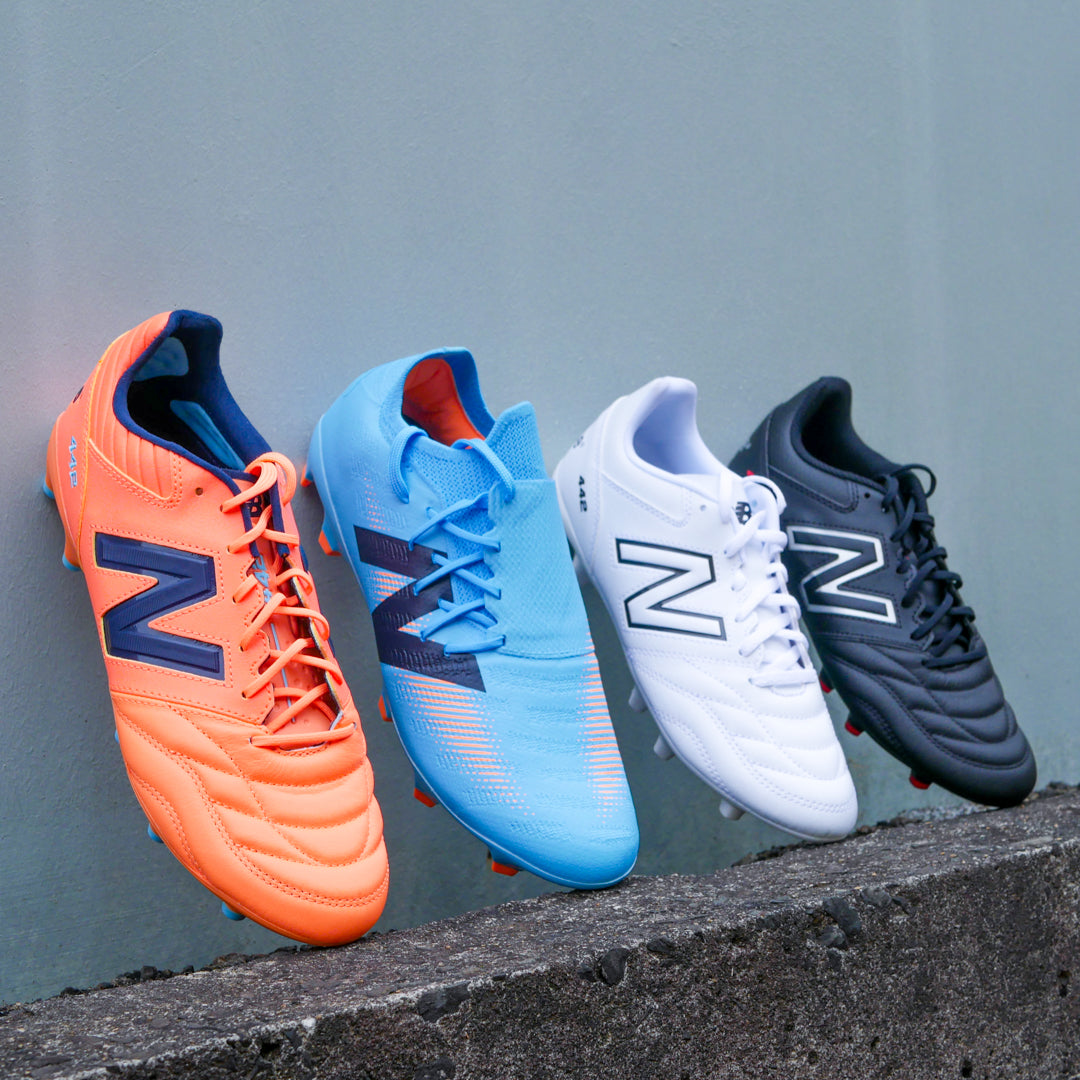
A good pair of rugby boots needs to handle everything the game throws at you. They need to bite into the turf at scrum time, stay stable when you’re stepping off either foot, and feel comfortable when you’re running hard late in the second half. Whether you play union or league, front row or fullback, the right boots help with traction, support, and confidence in contact and open play.
Read more +
This collection of rugby boots includes options for different playing styles, field conditions, and levels of competition so you can find a pair that suits how you actually play.
Choosing Rugby Boots That Suit Your Game
Rugby is not one-size-fits-all, and boots should match your role on the field. If you spend a lot of time in contact, pushing through rucks, or packing down in scrums, you will usually want a boot that feels planted and supportive. If your game is based around speed, footwork, and quick changes of direction, a lighter option with a more streamlined feel can help you move freely without feeling weighed down.
If you’re also sorting the rest of your kit for the season, it’s worth browsingRugby Equipment so you’re covered for training and match day beyond just footwear.
Getting the Fit Right
The best rugby boots are the ones you stop thinking about once the match starts. Aim for a secure heel, a locked-in midfoot, and enough room in the toe box so your feet do not feel jammed after a long session. If you wear thicker socks, strap your ankles, or prefer a roomier feel, keep that in mind when choosing your size.
It also helps to have the small essentials sorted before the season ramps up, and ourRugby Accessories range is ideal for topping up on the items you end up replacing most often.
Rugby Boots for Training and Weekend Matches
If you train regularly, your boots take a beating. Rotating between a training pair and a match pair can help them last longer, especially through wet rounds when boots take longer to dry. For players doing extras outside team sessions, having a ball at home is one of the easiest ways to keep improving, and you can find match and training options inRugby Balls.
Comfort and Confidence in Contact
Rugby is physical, and even with good boots, comfort matters when you’re taking hits and hitting the ground repeatedly. Many players add protective pieces depending on their position and preference, especially during heavy training blocks, and ourRugby Protective Gear range covers the basics that help reduce the sting in contact.
Shop Rugby Boots Online
Whether you are buying your first pair or upgrading for the season, our rugby boots collection includes options for juniors and adults across different price points. Pick the pair that fits properly, suits the conditions you play in most often, and feels stable under pressure.
FAQs About Rugby Boots
1. How should rugby boots fit?
Rugby boots should feel secure through the heel and midfoot with no slipping. You want enough room to wiggle your toes, but not so much space that your foot slides inside the boot.
2. Can I use rugby boots for training and matches?
Yes. Most players use the same boots for both. If you train multiple times a week, having a second pair can help you rotate and reduce wear.
3. What should I prioritise when choosing rugby boots?
Start with fit and stability, then consider your playing style and the conditions you play in most often. Comfort matters more than small differences in weight.
4. How do I look after rugby boots after a wet match?
Brush off mud, remove the insoles if possible, and let them air dry naturally away from direct heat. Stuffing them with paper can help them dry faster and hold their shape.
5. Do I need protective gear as well as boots?
Not always, but many players wear protective gear for extra comfort in contact, especially during heavy training weeks. It comes down to your position, level, and preference.