Rugby Boots Buying Guide: How to Choose the Right Rugby Boots
March 09, 20266 min read
Rugby Boots Buying Guide: How to Choose the Right Rugby Boots The bestrugby boots depend on your playing surface, position, and need for stability—choosing the correct stud type and fit is critical for traction, safety, and performance.
Quick Answer: Which Rugby Boots Should You Buy?
Rugby boot selection depends on surface conditions and player position.
Surface
Stud Type
Position
Soft, wet, muddy grass
Soft ground metal studs
Forwards, tight five, powerful runners
Firm, dry natural grass
Firm ground moulded studs
Backs, junior players, general club players
Artificial turf
Multi ground or turf studs
Speed players, training use
Rugby Boot Stud Types Explained (Soft Ground vs Firm Ground)
Stud configuration determines traction and stability in rugby.
The main difference between SG and FG rugby boots lies in the stud type and layout. Soft ground boots excel on wet or muddy pitches, while firm ground boots perform better on dry grass but offer less grip in mud.
Feature
Soft Ground (SG)
Firm Ground (FG)
Stud Type
Metal screw-in studs
Moulded plastic studs
Best Surface
Wet, muddy, soft natural grass
Dry, firm natural grass
Traction
Excellent in mud
Limited in wet, very good in dry
Typical players
Forwards, props, locks
Backs, general club players, juniors
Soft Ground (SG) Rugby Boots
Soft ground rugby boots feature adjustable metal screw-in studs for deep grip on wet or muddy pitches. Favoured by forwards and tight five players, they provide stability in scrums, rucks and mauls. Slightly heavier than FG boots, they maximise traction in softer conditions.
Firm Ground (FG) Rugby Boots
Firm ground rugby boots have moulded plastic studs, often in a hybrid pattern for stability and speed. Best for dry natural grass, they are lighter for agility and versatile for most positions, including backs, club players and juniors. They are not ideal in muddy conditions, as studs can slip on soft surfaces.
Choosing Rugby Boots by Position
Forwards prioritise stability; backs prioritise speed and agility.
Choosing the right rugby boot depends on your position and the demands it places on traction, support and mobility. Forwards need boots that maximise grip and power in scrums and rucks, while backs benefit from lighter boots that enhance speed and manoeuvrability.
Rugby Boots for Forwards
Forwards require boots that deliver maximum traction, ankle support, durability and power transfers. SG boots are often preferred for forwards in wet conditions, while FG can be used on dry pitches.
Rugby Boots for Backs
Backs need boots that prioritise a lightweight feel, manoeuvrability, speed and traction. FG or multi-ground boots are usually ideal for backs, providing a balance between grip and agility. Whether you play union or league, pairing the right boots with qualityrugby league balls during training helps backs sharpen their handling and footwork together.
Fit and Comfort – How Rugby Boots Should Feel
Properly fitted rugby boots reduce injury risk and improve control.
Rugby boots should feel secure and supportive from the moment you put them on, with no excessive movement in the heel or midfoot. Correct fit ensures optimal traction, stability and comfort.
Width, Foot Shape, and Sizing
Players should choose boots that match their foot shape. Wide boots are for broader feet, and narrow boots are for slim feet. Avoid sizing up unnecessarily, as extra room can cause heel slippage, blisters and less control.
Break-In Expectations
High quality boots will soften slightly with wear, particularly leather upper. The sole and studs should feel stable and firm. Persistent tight spots, heel slippage or ongoing discomfort usually indicates poor fit. Ideally, rugby boots should feel secure and comfortable from the start, with minor softening enhancing comfort.
Upper Materials in Rugby Boots
Upper material affects comfort, durability and water resistance.
Rugby boots are primarily made from leather or synthetic materials, each offering distinct advantages in feel, durability and maintenance.
Leather Rugby Boots
Leather boots provide a soft, natural feel and gradually mould to the shape of your foot, offering a custom fit over time. They are traditionally preferred by forwards for durability and support in scrums and rucks. They require more maintenance to prevent water damage and to keep supple.
Synthetic Rugby Boots
Synthetic boots are lighter, more water-resistant and easier to maintain than leather. They retain their shape without extensive break-in, making them ideal for backs and players prioritising speed and agility. They are slightly less mouldable, but offer excellent performance and durability across and range of conditions.
Ankle Support and Boot Cut (Low vs Mid Cut)
Ankle support improved stability during contact situations.
The height of a rugby boot’s collar - low cut or mid cut - affects both mobility and protection.
Low cut boots offer maximum freedom of movement and are lighter, making them ideal for backs who prioritise speed and agility. Mid-cut boots provide extra ankle support, reducing the risk of rolling or twisting during scrums, rucks, and tackles, which makes them popular among forwards. Choosing the right cut balances stability and mobility based on position and playing style.
Rugby Boots for Different Playing Surfaces
Incorrect boots increase slipping and injury risk.
The type of pitch affects boot choice beyond just Soft Ground (SG) and Firm Ground (FG). Hard, dry fields, hybrid surfaces, and artificial turf require different stud configurations to maintain traction and stability.
Choosing boots suited to the surface ensures better grip, reduces the risk of slips or ankle injuries, and improves overall performance. Completing your kit with the rightrugby equipment, from protective gear to training tools, ensures you're fully prepared for any surface or condition.
Budget vs Elite Rugby Boots – What Do You Really Get?
Rugby boots come in entry-level, mid-range and elite tiers, with differences in materials, weight, durability and comfort.
Tier
Typical Price (AUD)
Key Features
Who It Suits
Entry-level
$50-$120
Basic leather or synthetic, standard studs, heavier
Beginners, juniors, casual club players
Mid-Range
$120-$250
Better leather or advanced synthetic, lighter, improved comfort
Regular club players, semi-competitive players
Elite
$250+
Premium, leather/synthetic, lightweight, moulded for fit, advanced stud tech
Elite, representative or professional players
Popular Rugby Boot Brands and Models (Examples)
Rugby boot brands design models for specific playing needs.
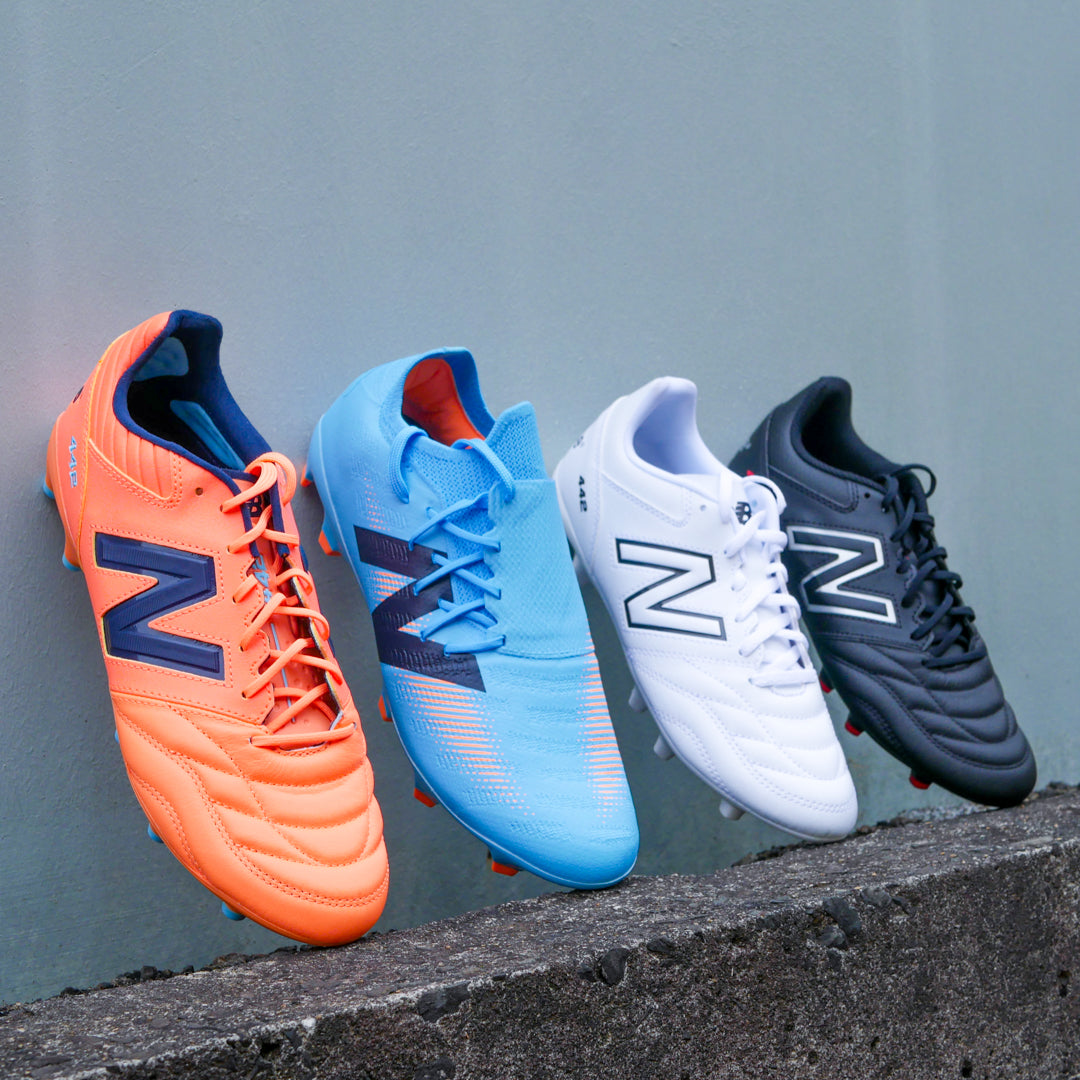
Several well-known brands specialise in boots tailored to different positions, surfaces, and performance priorities. Brands such as Asics, New Balance, Sfida and Mizuno emphasise aspects like fit, durability and speed to suit players requirements on the field.
Common Mistakes When Buying Rugby Boots
Incorrect rugby boots reduce performance and increase injury risk.
Many players make avoidable errors when selecting boots, which can compromise grip, stability and comfort on the field. Common mistakes include:
Using FG boots on wet or muddy pitches leads to slipping
Choosing lightweight boots for scrummaging, sacrifices traction and support
Ignoring proper fit, results in heel slipping, blisters or reduced control
Not considering surface type, such as artificial turf or hybrid pitches
Overlooking position-specific needs like stability for forwards or agility for backs
Care, Maintenance, and Stud Replacement
Proper boot care extends stud and soleplate lifespan.
To keep rugby boots in top condition, it’s important to clean, dry, and inspect them regularly:
Cleaning: Remove mud and debris after each session using a soft brush or damp cloth. Avoid harsh detergents that can damage leather or synthetic uppers.
Drying: Let boots air-dry at room temperature. Never use direct heat sources, which can warp the sole or dry out leather.
Studs: Check screw-in studs before and after matches. Tighten loose studs and replace worn or damaged ones to maintain grip and safety. Keeping a set of spare studs and a stud key among your rugby accessories means you're always match-ready.
Storage: Store boots in a cool, dry place, ideally in a boot bag, to prevent deformation and protect materials.
Regular maintenance ensures boots remain comfortable, safe, and perform consistently on all surfaces.
Bottomline: How to Choose the Right Rugby Boots
Correct rugby boots improve safety, traction, and confidence.
When selecting boots, focus on five key factors for a quick, effective decision:
Surface: Soft Ground (SG) for muddy fields, Firm Ground (FG) for dry grass, or multi-ground/turf for synthetic pitches.
Position: Forwards need stability and traction; backs need lightweight boots for speed and agility.
Fit: Ensure secure heel lockdown, appropriate width, and immediate comfort.
Stud Type: Screw-in metal studs for soft ground, moulded plastic for firm ground, or hybrid for versatile surfaces.
Budget: Entry-level boots suit beginners, mid-range for regular club play, and elite boots offer premium materials but not automatic performance gains.
By prioritising these factors, you can confidently choose boots that enhance your performance while keeping you safe on the field. If you're new to the sport, it's also worth understandinghow long a rugby match actually lasts so you know exactly what physical demands your boots will need to handle.
FAQs About Buying Rugby Boots
Should forwards wear different boots to backs?
Yes. Forwards prioritise stability, traction, and support for scrums, rucks, and mauls, often choosing heavier or Soft Ground boots. Backs focus on speed, agility, and lightweight boots for running and quick direction changes.
Are metal studs allowed in rugby?
Yes, but only on Soft Ground (SG) boots for wet or muddy fields. They must comply with competition regulations, be securely fastened, and not pose a safety risk to other players. Metal studs are not permitted on firm or artificial surfaces.
How tight should rugby boots be?
Rugby boots should feel secure immediately, with snug heel lockdown and minimal foot movement. The toe box should allow slight wiggle room, but boots that are too loose or require extensive break-in can cause blisters, heel slippage, and reduced control.
Subscribe
Sign up to get the latest on sales, new releases and more …