







What Is a Cricket Ball Made Of?
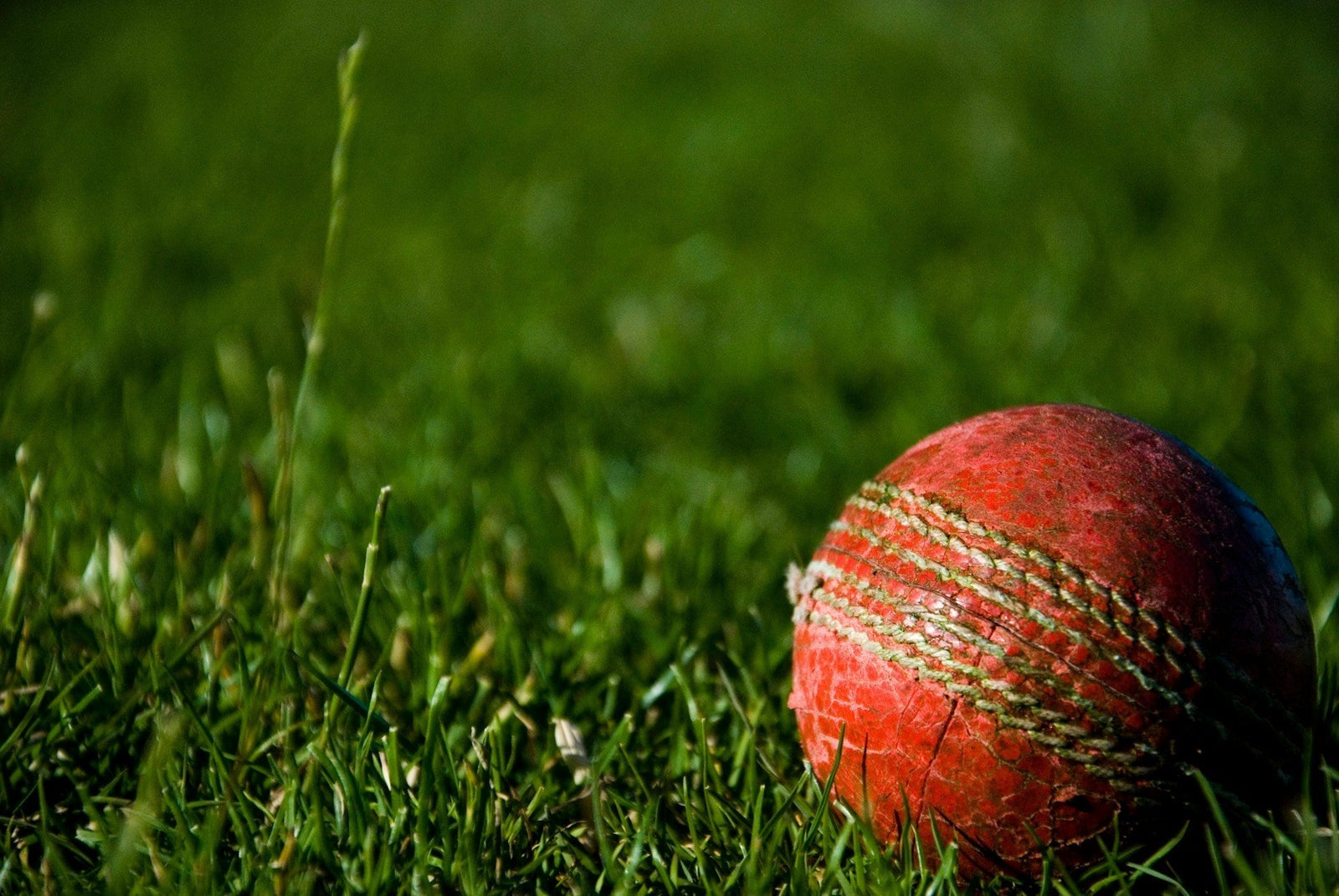
A standard cricket ball is made of a cork core, tightly wound string, and a dyed leather outer shell that is stitched together to maintain shape and hardness. The cork core, sometimes layered with rubber, provides the ball’s bounce and resilience. The string winding reinforces the core to help it retain firmness during play. The outer shell is made of high quality leather, usually dyed red or white, and joined by raised hand stitching that forms the seam, which influences swing and spin.
Core Materials Used in a Cricket Ball (Quick Breakdown)
A cricket ball is made from three main parts: the cork core, the string winding around the core, and the polished leather cover on the outside. Each part plays an important role in creating the weight, hardness, bounce, and overall performance of the ball.
Cork Core – The Inner Foundation
The centre of the ball contains a small sphere made from cork. This forms the main foundation of the ball and absorbs the initial impact when the ball hits the bat or the ground. Manufacturers often combine the cork with layers of rubber to help the ball keep a consistent level of bounce during play.
String Windings – Compression and Shape Retention
Surrounding the cork core are many layers of tightly wound string. These layers give the ball its firmness, add to its overall weight, and help it keep its round shape even after repeated impacts. The tension of this winding also creates a balanced feel when the ball is bowled.
Leather Outer – The Polished Surface
The outside of the ball is made from high quality leather, usually cowhide, which is dyed red or white depending on the format of the game. The leather is split into two shaped halves and then hand stitched together using thick thread. This stitching forms the raised seam, which plays a major role in creating swing and movement through the air.
Red vs White Cricket Balls – Are They Made Differently?
Red and white cricket balls are built from the same core materials, but the finishing process is different. Red balls rely on traditional polishing methods, while white balls need an additional protective coating to improve visibility and reduce wear during limited overs matches under lights.
Red Cricket Balls – Longer Lasting Shine
Red balls are finished with layers of traditional polish that help create a smooth, durable shine. This shine lasts longer during long sessions, which is why red balls are used in Test cricket. The colour remains visible throughout the day and the polished surface allows bowlers to work on swing for extended periods.
White Cricket Balls – Additional Protective Coating
White balls receive an extra layer of synthetic protective coating after the leather is dyed. This coating helps the ball resist quick discolouration, which is important when playing under floodlights. It also helps the white leather handle the heavier wear that comes with limited overs formats where the ball is used for fewer overs but experiences more high intensity hitting.

Step-by-Step Process of How a Cricket Ball Is Made
Modern cricket balls follow a traditional but very precise manufacturing process used by well known brands such as Kookaburra and Gray-Nicolls. Each stage affects how the ball swings, bounces and wears during a match. The process begins at the centre with the core and ends with the final polish that gives the ball its shine.
Forming the Cork and Rubber Core
The process starts by shaping the inner core. Sheets of natural cork are compressed into a small sphere using high pressure. Many manufacturers blend cork with thin layers of rubber to give the core strength and consistent bounce. This inner sphere forms the main impact absorbing centre of the ball.
Winding with Yarn or String
Once the core is ready, it is placed onto a winding machine. Multiple layers of strong yarn or string are wound tightly and evenly around the core. This winding controls the final weight of the ball, which for men's cricket must be approximately 156 grams. The even tension also ensures perfect symmetry, which affects swing and overall balance.
Stitching the Leather Casing
The leather cover begins as high quality cowhide that is dyed and then cut into two shaped cups. These halves are moulded to fit the rounded shape and then hand stitched together using heavy linen thread. Craftspeople create the iconic raised seam through a combination of inner and outer stitches, which has a major influence on movement through the air.
Final Shaping and Polishing
After stitching, the ball is pressed in a shaping machine to harden the leather and ensure a perfect spherical form. It is then polished by hand or machine to achieve the shine needed for match conditions. This final polish helps the ball travel smoothly through the air and gives bowlers the ability to maintain one shiny side for swing.

Why the Seam Matters in Cricket Ball Design
The seam is one of the most important features of a cricket ball because it directly affects swing, spin and long term wear. A raised, well aligned seam helps bowlers grip the ball and makes it possible to angle the seam toward or away from the batter to create movement in the air. As the ball travels, the seam disrupts airflow on one side, which encourages conventional swing when the ball is new and reverse swing when it becomes older.
For spinners, the seam acts as a gripping point that allows the fingers to apply rotation with greater control. Consistent stitching is essential because any imbalance or uneven tension can affect the ball’s symmetry and change the way it moves. A tightly stitched, durable seam also helps the ball maintain its shape over many overs, ensuring predictable performance throughout its lifespan.
Cricket Ball Types by Format and Material Grade
Cricket balls vary depending on the level of play, the durability required and the safety needs of training environments. They range from top tier match quality leather balls to softer, beginner friendly options used for casual games and junior development.
Professional Match Balls – Premium Leather and Hand-Stitched
Professional cricket balls are made from the highest grade leather and feature precise hand stitching. They are used in first class cricket, Test cricket and high level limited overs matches. Examples include the Kookaburra Turf ball used in many countries. These balls have excellent seam balance, consistent weight and predictable swing behaviour.
Club and School Balls – Lower Grade Materials
Club and school level balls offer a more affordable option for regular weekend cricket. They are usually made with mid or lower grade leather, recycled cork cores or partial synthetic layers. While they do not last as long as premium match balls, they are suitable for shorter matches or training sessions and provide good value for community clubs.
Training Balls and Soft Balls – Modified for Safety
Training balls are designed to support practice while reducing the risk of injury. Some have softer cores, foam centres or synthetic outer layers. Others are made from rubber or plastic for use in indoor centres or junior programs. These types of balls are ideal for skill development, catching practice and beginner cricket where safety and confidence are priorities.
Final Thoughts on Cricket Ball Composition and Performance
Each part of a cricket ball plays a vital role in how it performs on the field. The cork core provides the solid impact absorbing centre, the string winding adds weight, firmness and shape retention, and the leather outer creates the smooth, durable surface that allows bowlers to generate swing and control the ball’s movement. Together these elements create a ball that can deliver speed, accuracy and long lasting performance across different match formats. Whether it is a premium Test ball or a training ball for juniors, the same core principles of construction shape how it behaves in the air and off the pitch.
FAQs About What Cricket Balls Are Made Of
What type of leather is used in a cricket ball?
Cricket balls are usually made from high quality cowhide leather. The leather is tanned, dyed and shaped into two cups that are stitched together to form the outer casing.
Why are cricket balls so hard?
Cricket balls are hard because of the compressed cork and rubber core, the tightly wound layers of string and the thick leather cover. These materials are pressed under high pressure to create a firm, durable structure that can withstand fast bowling and repeated impact.
Are synthetic cricket balls allowed in matches?
Synthetic cricket balls are not used in professional or sanctioned club matches. Only leather balls are accepted for official play. Synthetic balls are common in training, junior programs and casual games where safety, cost and durability are priorities.
Is there a difference in weight between red and white balls?
No. Red and white cricket balls must meet the same weight standards. The colour and finishing process may differ, but the required weight remains the same.