






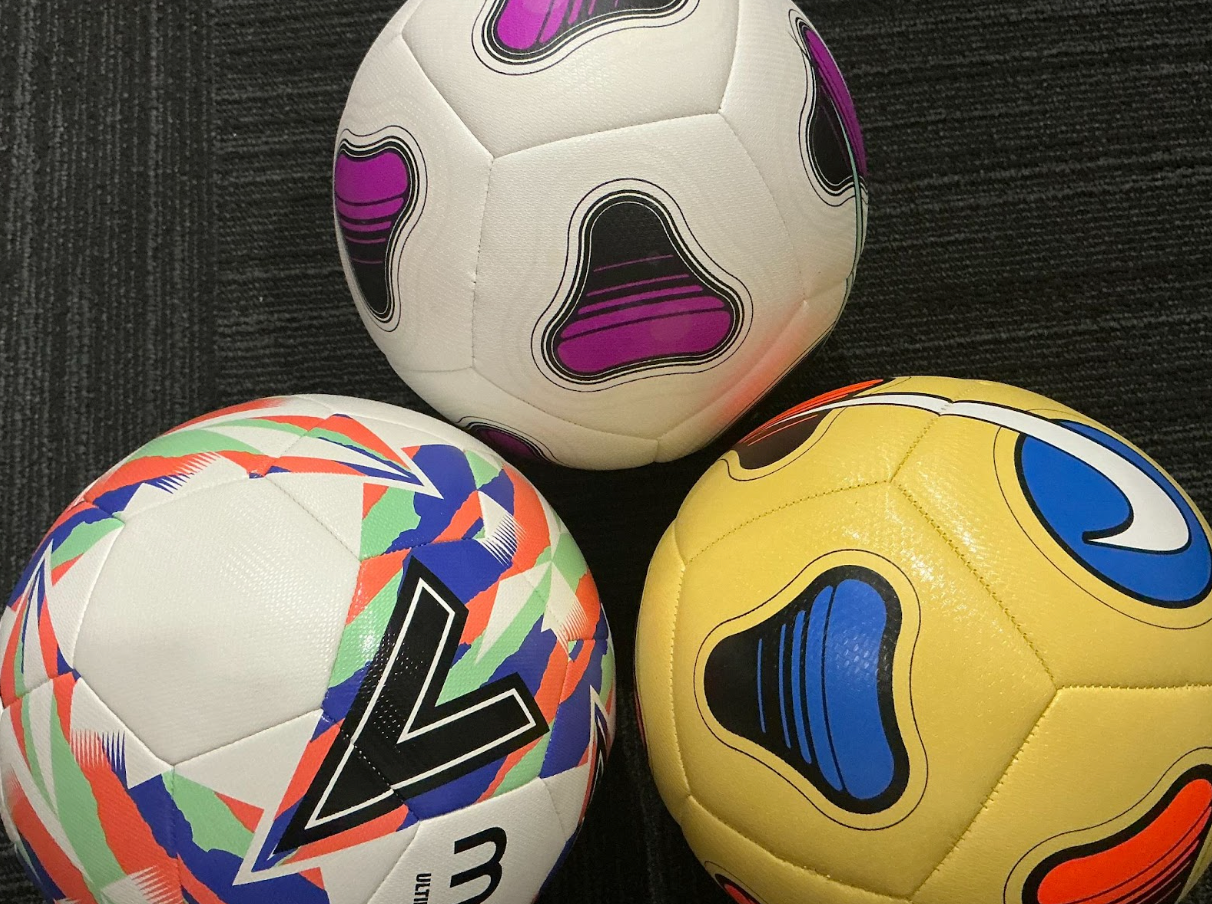

Soccer Ball Size Guide
Soccer balls come in standard sizes from Size 3 to Size 5, with Size 5 used for official matches and Sizes 3-4 designed for children to support proper skill development.
Soccer Ball Size Chart by Age (Quick Answer)
Soccer ball size determines control, safety, and skin skill development, so choosing the correct size for each age group is essential for confidence and proper technique.
Size 3 Soccer Ball (Under 8 Years)
Size 3 balls are recommended for young children learning the fundamentals of soccer. The smaller circumference and lighter weight make it easier for under 8 players to control the ball, kick with correct technique, and build coordination without strain or injury risk.
Size 4 Soccer Ball (Ages 8–14)
Size 4 soccer balls act as a transition size between junior and full match balls. Used by players ages roughly 8 to 14, they support improved passing, shooting, and control while preparing players for the speed and weight of a Size 5 ball.
Size 5 Soccer Ball (Ages 15+ and Adults)
Size 5 is the official match ball used in competitive and professional football worldwide. Players aged 15 and over train and compete with Size 5 balls, as they provide the correct weight, flight, and feel required for full sized pitches and match conditions.
Which Soccer Ball Size Should You Buy?
The correct soccer ball size improves touch, accuracy, and confidence, so the best choice depends on more than just age. Consider who is using it, where are they playing, and whether it is for training or match use.

Choose by age first
Age is the starting point because ball size directly affects control and technique. Younger players benefit from smaller, lighter balls that are easier to manipulate, when older players need regulation sizing to match game conditions.
- Under 8 → Size 3
- Ages 8 to 14 → Size 4
- Ages 15 plus & adults → Size 5
Consider the playing environment
Where the ball will be used matters just as much as age. Backyard, park and schoolyard play usually suits a durable training ball, while club football on grass pitches benefits from a higher quality match style ball. Harder surfaces may wear balls faster, so durability can outweigh premium materials.
Training vs match use
For training, slightly softer or more durable balls are ideal as they handle repeated kicks, drills and casual use. Match balls are built for consistent flight, feel, and accuracy and are best saved for games or high level sessions. Using the correct size in both training and matches helps skills transfer smoothly.
Match the ball to skill level
Beginners gain confidence faster with the correct size because they can control the ball more easily and develop proper technique. Intermediate players benefit from balls that closely match match conditions, while advanced players should always train and compete with regulation sizes to refine touch and accuracy.
Soccer Ball Sizes Explained in Detail
Different soccer ball sizes exist because players develop strength, coordination and technique at different stages. As ball size increases, both circumference and weight increase, directly affecting how the ball moves, how hard it feels to kick, and how easily it can be controlled.
Ball Circumference and Weight by Size
Each soccer ball has standard measurements designed to match the physical ability of the player using it.
|
Ball Size |
Circumference |
Approx. Weight |
Typical Use |
|
Size 3 |
58 to 61 cm |
310 to 340 g |
Under 8 years |
|
Size 4 |
63.5 to 66 cm |
350 to 390 g |
Ages 8 to 14 |
|
Size 5 |
68 to 70 cm |
410 to 450 g |
Ages 15 plus and adults |
Why weight matters
Heavier balls require more force to strike cleanly. For younger players, an oversized or overweight ball can disrupt kicking mechanics, reduce accuracy, and encourage poor habits like toe kicking or leaning back excessively. Correct weight allows players to strike through the ball naturally and build consistent technique.
Why Kids Should Not Use Adult-Size Balls
Using an adult size soccer ball too early can negatively affect both performance and development.
Increased injury risk
Heavier balls place more stress on ankles, knees and hips, particularly during repetitive kicking or log sessions. This can lead to soreness, fatigue, or overuse injuries in growing bodies.
Poor technique development
Children using oversized balls often adapt by altering their technique to compensate for the extra weight. This can result in inefficient kicking form, reduced follow through, and weaker long term skill development.
Reduced confidence and enjoyment
When a ball feels difficult to control or painful to kick, children are less likely to experiment, dribble, or shoot freely. A correctly sized ball encourages confidence, creativity, and more touches on the ball which are essential for learning.
Training vs Match Soccer Balls – Does Size Change?
Training and match soccer balls follow the same size standards, meaning a size 3, 4 or 5 ball is the same physical size whether it is designed for training or match play. What changes is how the ball is built, not its dimensions.
What actually differs between training and match balls
While the size stays the same, materials and construction change depending on purpose.
Training balls
These are built for durability. They often use thicker outer layers and tougher materials to withstand frequent use on grass, turf, and harder surfaces. They may feel slightly firmer and are designed to last longer through repeated drills.
Match balls
Match balls focus on performance. They use higher quality materials, more advanced panel bonding, and precision shaping to deliver consistent flight, touch, and responsiveness. These balls are usually softer on contact and more accurate at speed.
Why this matters for players
Using the correct size in both training and matches helps players develop reliable touch, timing, and confidence. Training with a ball that matches game size prepares players for real match conditions while still allowing durability for regular practice.
Indoor, Futsal, and Street Soccer Ball Sizes
Non-traditional formats of soccer use modified balls to suit smaller courts, harder surfaces, and faster play. While size often stays familiar, weight, bounce, and construction are adjusted to match the environment.

Futsal Ball Size and Weight
Futsal balls are typically Size 4 but they are heavier than standard outdoor size 4 soccer balls and have a reduced bounce.
This design keeps the ball closer to the ground on hard indoor courts, allowing for quick passing, tight control, and precise footwork. The extra weight and low rebound encourage players to focus on technique rather than aerial play, which is central to futsal’s fast paced style.
Because the size matches a standard size 4, players can easily transfer skills like first touch, passing accuracy, and ball manipulation between futsal and outdoor soccer.
Indoor and Street Soccer Balls
Indoor soccer and street soccer balls usually follow standard soccer ball sizing based on age, but their construction is more durability focused.
These balls are built with tougher outer materials designed to handle abrasive surfaces such as concrete, asphalt, and indoor courts. Some may feel firmer or slightly heavier to reduce excessive bounce and extend lifespan.
Common Mistakes When Choosing a Soccer Ball Size
Incorrect ball size can slow skill development and increase injury risk, yet it is one of the most common buying mistakes. Understanding these pitfalls helps players and parents choose a ball that supports confidence, technique, and long term improvement.
One of the most frequent mistakes is giving young players a Size 5 ball before they are ready. Adult size balls are heavier and harder to control, which can lead to poor kicking technique, fatigue, and unnecessary strain on growing joints. Younger players progress faster when they use Size 3 or Size 4 balls suited to their age and strength.

Choosing Novelty or Mini Balls for Match Play
Mini or novelty balls are fun, but they are not designed for proper development. Using them for regular play can distort timing, touch, and passing distance, especially for children learning the basics.
Ignoring Age Guidelines
Age guidelines exist for a reason. They are based on average physical development and coordination levels. Ignoring these recommendations can result in a ball that feels either too heavy or too light, making learning harder and less enjoyable.
Not Considering the Playing Environment
Another common mistake is selecting a ball without considering where it will be used. Hard surfaces require more durable construction, while grass pitches benefit from softer, match quality balls. While size remains the same, choosing the wrong type can affect control and ball lifespan.
Focusing on Brand over Size
High end brands and professional match balls are appealing, but size matters more than brand. A correctly sized ball from any reputable manufacturer will always support better development than a premium ball in the wrong size.
Soccer Ball Size Rules in Official Competitions
Official soccer matches require Size 5 balls for players aged 15 and above, with governing bodies setting clear standards to ensure fairness, safety, and consistent play across all levels.
Adult and senior competitions
Adult leagues and professional competitions worldwide mandate Size 5 soccer balls. These balls must meet regulation requirements for circumference, weight, pressure and shape so match conditions remain consistent from local leagues through to elite football.
Youth competition standards
Youth leagues follow age based size rules designed to match physical development
- Under 8 → Size 3
- Ages 8 to 14 → Size 4
- Ages 15 plus → Size 5
These guidelines are widely adopted by national associations and local leagues to support safe play and proper skill development.
Why governing bodies enforce ball size rules
Standardising ball size ensures
- Fair competition across teams
- Reduced injury risk for younger players
- Better technique development and confidence
- Consistent match conditions from training to game day
Match approval and ball markings
Many competitions require balls to be match approved, often indicated by official certification marks. While branding varies, approval confirms the ball meets required performance and size specifications.
Final Tips for Choosing the Right Soccer Ball Size
Choosing the right soccer ball size is one of the simplest ways to support better technique, confidence, and enjoyment at every level of the game. Always start with age based sizing, as younger players benefit from smaller, lighter balls while older players need regulation sizes to match match conditions. Allow proper progression rather than moving up too early, as jumping sizes can slow development and affect technique. Once size is correct, match the ball to its purpose by selecting durable options for training and harder surfaces and match quality balls for games or advanced sessions. Finally, check league rules before buying to ensure compliance with competition standards.
FAQs About Soccer Ball Sizes
What size soccer ball do professionals use?
Professional players use a Size 5 soccer ball. This is the official match size used in senior, elite, and professional competitions worldwide and is required for players aged 15 and over.
Can a child train with a Size 5 ball?
In most cases, no. Children should train with the age appropriate size to avoid poor technique, fatigue and injury risk. Size 3 and Size 4 balls are lighter and easier to control, helping young players develop correct kicking mechanics and confidence before progressing to Size 5.
Is Size 4 or Size 5 better for practice?
Neither is better universally, it depends on the player’s age and competition level. Players aged 8 to 14, should practice with a size 4, while players aged 15 and over should train with Size 5. Practicing with the correct size ensures skills transfer directly into matches.
What size soccer ball should I buy as a gift?
If you know the players age, follow age based sizing first. If you are unsure, a Size 4 is often the safest choice for juniors. While size 5 suits teenagers and adults.