










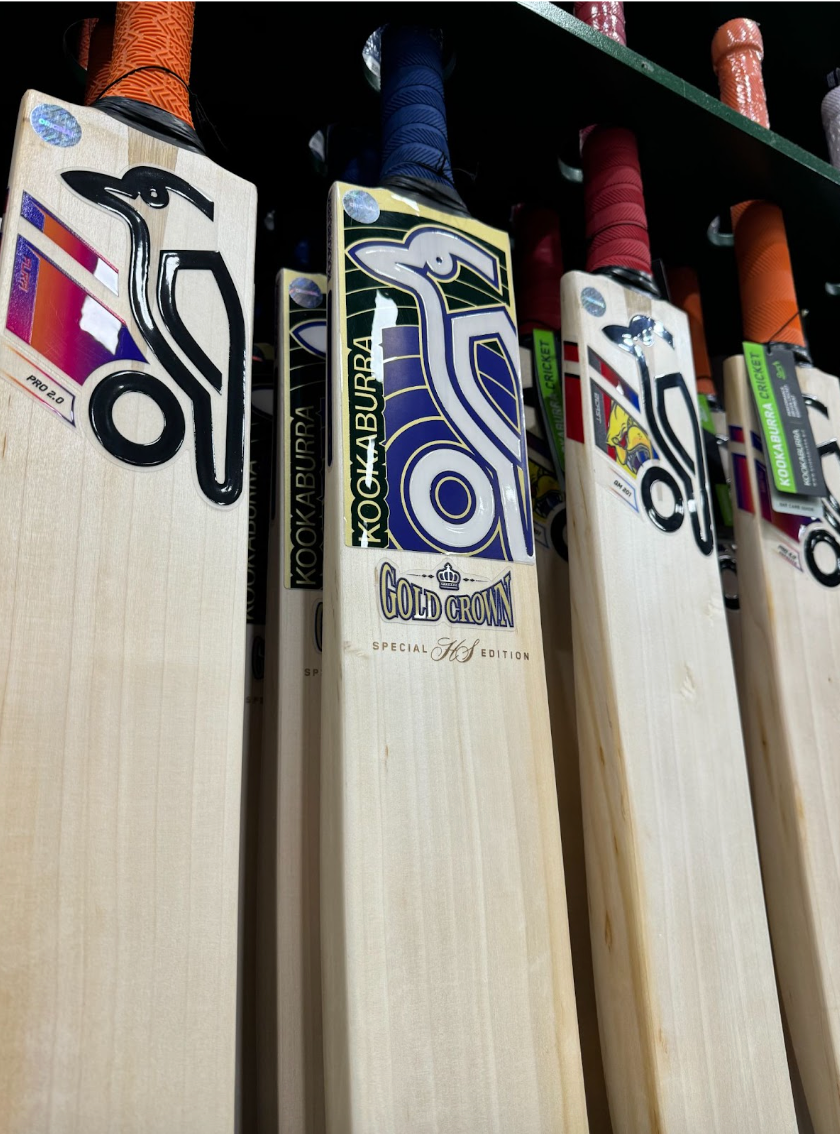

Kashmir Willow vs English Willow
English willow excels in performance and feel where as Kashmir willow prioritises durability and affordability, making English willow the preferred choice for competitive cricket and Kashmir willow ideal for beginners and training use.
Kashmir Willow vs English Willow – Which One Should You Choose?
Choose English willow if you are a competitive player who values performance, feel, and match day responsiveness and have the budget to invest in it. Choose Kashmir willow bats if you are a beginner, junior, or training focused player looking for a durable, affordable bat that will handle regular use.
English willow offers superior performance; Kashmir willow offers greater durability at a lower cost.
Key Differences Between Kashmir Willow and English Willow (Side-by-Side Comparison)
The main differences between Kashmir willow and English willow come down to where the wood is grown, how soft it is, how it performs, how long it lasts, and what it costs. Understanding these factors makes it easier to choose the right bat for your level and how you play.
English willow provides better ping and feel; Kashmir willow lags in responsiveness but lasts longer.
|
Feature |
English Willow |
Kashmir willow |
|
Origin |
Grown in England under controlled conditions |
Grown in the Kashmir region |
|
Softness |
Softer fibres for better compression |
Harder and denser fibres |
|
Performance |
Superior ping & rebound |
Lower responsiveness off the face |
|
Feel |
Cleaner contact and better feedback |
Firmer feel on impact |
|
Lifespan |
High performance but needs careful maintenance |
Longer lasting and more resistant to damage |
|
Price |
More expensive |
More affordable |
|
Typical use cases |
Competitive matches and higher level play |
Beginners, juniors and training sessions |
What Is English Willow?
English willow comes from the tree Salix alba caerulea and is grown primarily in England under carefully controlled climate and soil conditions. These slow growing conditions produce a softer, more responsive wood, which is why English willow is used in professional cricket bats around the world.

Performance and Ping
The softer fibres of English Willow compress more effectively when the ball strikes the bat, creating a superior rebound or ping. This results in better shot timing, easier power generation, and a more forgiving sweet spot, especially when playing on the front foot or against faster bowling.
Grain Structure and Appearance
English willow bats feature straight, clearly visible grains running down the face of the bat. These grains are a key factor in bat grading, with cleaner and more evenly spaced grains typically associated with higher quality bats. While grain count alone does not determine performance, a straight and consistent grain structure usually indicates better balance, feel and response.
Cost and Maintenance
English willow sits at a higher price point due to limited supply and long growing times. It also requires regular maintenance to perform at its best, including proper knocking in, oiling and protection against moisture and impact damage. With the right care, an English willow bat can deliver elite performance across multiple seasons.
What Is Kashmir Willow?
Kashmir willow is a type of willow grown in the Kashmir region. It thrives in tougher growing conditions, which produces a harder and denser wood. Because of this strength and its lower cost, Kashmir willow is most commonly used for entry level bats, training bats, and practice sessions rather than elite match play.

Durability and Hardness
The denser fibre structure of Kashmir willow makes it far more resistant to cracking, chipping and general wear. This toughness allows the bat to withstand frequent use, mishits, and harder surfaces, making it ideal for training environments and developing players.
Grain Visibility and Finish
Kashmir willow typically shows fewer visible grains compared to English Willow. To improve cosmetic appearance, the wood is often bleached or stained to look lighter and more uniform. While this enhances the look of the bat, it does not change the underlying performance or hardness of the wood.
Price and Accessibility
Kashmir willow cricket bats are significantly more affordable, which makes them accessible for beginners, schools, juniors and casual players. Their durability and lower replacement cost make them a practical choice for learning the game and for regular practice without the higher investment required for English willow.
Performance Comparison – Power, Control, and Feel
In real world batting, the difference between English Willow and Kashmir willow is most noticeable in how the bat responds at impact. Factors like rebound, vibration through the handle, and sweet spot size all influence power, control and overall feel.

Power and Shot Response
English willow compresses more effectively at contact, returning more energy to the ball. This creates stronger shot response and easier boundary hitting, even when timing is slightly off. Kashmir willow, being denser, absorbs more impact, resulting in reduced rebound and requiring more effort from the batter to generate the same power.
Control and Timing
The lighter pickup and balanced weight distribution of English willow allow for finer control, quicker bat speed, and improved timing, especially against faster bowling. Kashmir willow tends to feel heavier through swing, which can slow bat speed and reduce precision when playing delicate or late shots.
Feel, Vibration and Sweet Spot
English willow offers a softer, cleaner feel with reduced vibration travelling up the handle. Its sweetspot is generally larger and more forgiving, helping maintain performance across a wider hitting area. Kashmir willow transmits more vibration on impact and has a smaller effective sweet spot, which can feel harsher on mishits but remains structurally robust.
Lifespan and Durability – Which Lasts Longer?
When it comes to longevity, Kashmir willow generally outperforms English willow, particularly in rough conditions, frequent net sessions, or when mishits are common. The harder, denser nature of Kashmir willow allows it to better withstand wear and tear over time.
Kashmir willow bats last longer under heavy or improper use.

Durability in Training and Nets
Kashmir willow is far more forgiving during repetitive use in nets, especially on hard surfaces or with older practice balls. It is less prone to cracking, edge damage, and toe splitting, making it a reliable option for high volume training and junior development.
Match use and Care Requirements
English willow can deliver elite performance across multiple seasons, but only when properly maintained. Poor knocking in, lack of oiling, or exposure to moisture can significantly shorten its lifespan. In contrast, Kashmir willow is more tolerant of minimal maintenance and inconsistent use. To learn more read our guide on cricket bat care.
Mishits and Harsh Conditions
Off centre hits, yorkers striking the toe, and use on synthetic or uneven wickets all accelerate wear on English willow. Kashmir willow handles these scenarios more effectively, which is why it is often chosen for practice bats or environments where conditions are less controlled.
Price Difference – Is English Willow Worth the Extra Cost?
The price gap between English willow and Kashmir willow reflects differences in raw material quality, growing time, performance, and intended use. Understanding what you are paying for at each level helps determine whether the extra investment in English willow is worthwhile for your game.
Typical Price Ranges of Kashmir vs English Willow
- Kashmir Willow Bats: Generally sit at the lower end of the market, making them accessible for beginners, juniors, schools and training use.
- English Willow Bats: Span a wide price range, from mid level options through to premium and professional grade bats, depending on willow grade and craftsmanship.
What You Are Paying For With English Willow
The higher cost of English Willow comes from limited supply, slow growth of Salix alba Caerulea, and the superior playing characteristics it delivers. Players are paying for lighter pickup, improved rebound, larger sweet spot, and a cleaner feel at contact, all of which directly impact performance.
When The Extra Cost Is Worth it
English willow is worth the extra investment for competitive players who play regular matches, face faster bowling, and use higher quality match balls such as leather balls, where feel, rebound and shot control make a noticeable difference. The softer fibres respond better to a new or well maintained ball, giving improved timing and confidence at the crease.
For beginners, juniors, or players mainly training in nets using older leather balls, or synthetic balls, or machine balls, the performance benefits of English willow may not justify the additional cost. In these situations, Kashmir willow is often the more practical and cost effective option due to its durability and ability to withstand harder balls and repeated impact.
Which Willow Is Right for Your Playing Level?
Choosing the right willow depends on your experience level, how often you play matches, and the type of cricket you are involved in. Below is a clear guide to which willow best suits each state of a player’s development.

Beginners and School Players
Kashmir willow is the ideal choice for beginners and school players who are still developing their technique. Its durability allows players to learn confidently without worrying about damaging an expensive bat, especially during frequent practice sessions and early match play.
Kashmir willow bats are also better suited to training environments, machine balls, and synthetic or older balls, making them a practical and cost effective options while skills and consistency are still improving.
Club and Competitive Players
English willow is recommended for club cricketers and competitive players who play regular matches and face faster bowling. The superior feel, rebound, and balance provide more consistent performance, particularly when using quality leather match balls.
For advanced players, the lighter pickup and larger sweet spot of English willow support better shot control, timing, and confidence under pressure, making it the preferred option once technique is established and performance matters most.
Common Myths About Kashmir Willow and English Willow
There are several misconceptions around Kashmir Willow and English Willow that often lead to confusion when choosing a bat. Understanding the realities behind these myths helps players make better decisions based on use and preparation rather than assumptions.
Myth: “Kashmir willow can’t hit boundaries”
While Kashmir willow does not offer the same rebound as English willow, a well prepared Kashmir willow bat with a good profile can still hit boundaries effectively. Timing, bat speed, and ball quality play a far bigger role than many players realise, especially at beginner and junior levels.
Myth: “English willow breaks easily”
English willow is softer, but that does not mean it is fragile. When correctly knocked in, oiled, and protected, an English willow bat is designed to withstand competitive match play. Most breakages occur due to poor preparation, excessive moisture, or use with unsuitable balls.
Myth: “More grains always means a better bat”
Grain count of a cricket bat alone does not determine quality or performance. Bat profile, balance, pressing, and preparation are just as important. Some bats with fewer grains perform exceptionally well, while others with many grains may not suit a player’s style.
Final Verdict – Kashmir Willow vs English Willow
The choice between Kashmir willow and English willow comes down to how you play, where you play, and what you expect from your bat. English willow is built for performance, offering superior feel, rebound, and shot control in match conditions, particularly when using quality leather balls and facing faster bowling. It is the preferred option for club and advanced players who prioritise consistency and confidence at the crease.
Kashmir willow, on the other hand, excels in durability and affordability. It is better suited to beginners, juniors, schools, and training environments where nets, harder balls, or frequent mishits are common. While it does not match the responsiveness of English willow, it provides excellent longevity and value, making it a practical choice for learning and regular practice.
Ultimately, choose English willow if performance and match day feel are your priorities and your budget allows for it. Choose Kashmir willow if durability, cost effectiveness, and training use matter most.
FAQs about Kashmir Willow vs English Willow
Is English willow better than Kashmir willow?
English willow is better in terms of performance, feel, and rebound, especially for match play with quality leather balls. It offers a larger sweet spot, cleaner contact, and improved shot control. However, Kashmir willow is not worse overall, it is simply designed for durability and affordability rather than elite performance.
Can beginners use English willow bats?
Yes, beginners can use English willow bats, but it is not always necessary. If a beginner is training frequently, using harder balls, or still developing technique, the higher cost and maintenance of English willow may not be justified. Kashmir willow is often the smarter starting point, with English willow becoming more beneficial as skill level and match play increase.
Do professionals ever use Kashmir willow?
No, professional cricketers do not use Kashmir willow bats in matches. At elite levels, performance margins matter, and English willow is universally preferred due to its superior rebound, feel, and consistency against high speed bowling.
Which willow is better for tennis ball cricket?
Kashmir willow is generally the better choice for tennis ball cricket. Tennis balls used for tennis ball cricket are heavier and harder on bat faces, and Kashmir willow’s denser structure handles this impact more effectively. English willow can be used, but it is more likely to dent or crack over time, making it a less practical option for regular tennis ball use.English willow excels in performance and feel where as Kashmir willow prioritises durability and affordability, making English willow the preferred choice for competitive cricket and Kashmir willow ideal for beginners and training use.